

GATEWAY TO THE
CAPE COD NATIONAL SEASHORE






BizTips from SCORE – Building Blocks for High Performing Teams
BizTips from SCORE – Building Blocks for High Performing Teams
1 Start With Clarity
- Define your mission, values, and customer-service standards.
- Use one-page job scorecards instead of long job descriptions.
- Begin each day (or at least weekly) with a brief team huddle to set expectations.
2 Build Trust Quickly
- Use short “get-to-know-you” activities during onboarding.
- Model calm, steady leadership—especially during peak summer rushes.
- Encourage questions and create private channels for feedback.
3 Communicate Simply and Often
- Use clear communication tools: whiteboards, group chats, laminated cheat sheets.
- Repeat key instructions and use closed-loop communication (“Tell me what you heard.”).
- End each shift with a 2-minute debrief: What worked? What needs adjusting tomorrow?
4 Define Roles and Streamline Processes
- Make responsibilities unmistakable: who greets, who preps, who checks in, who runs the dock.
- Standardize tasks using checklists, diagrams, and step-by-step job aids.
- Cross-train to reduce bottlenecks and improve flexibility during peak hours.
5 Lead With Supportive Accountability
- Set clear standards and coach in real time—short, respectful, specific feedback.
- Correct privately and praise publicly.
- Focus on effort, behavior, and improvement, not blame.
6 Encourage Collaboration
- Use a “shift buddy” system for new hires.
- Reinforce a “we over me” mindset—celebrate moments of teamwork.
- Create quick opportunities for bonding, like a pre-season cookout or mid-season appreciation day.
7 Recognize and Appreciate Your Team
- Acknowledge wins often—small praise makes a big impact.
- Use shout-out boards, small rewards, and social-media highlights.
- Insert appreciation into daily huddles and weekly wrap-ups.
8 Practice Continuous Improvement
- Hold a post-season recap meeting to capture lessons while they’re fresh.
- Identify what needs to change, what should stay, and who you want back next year.
- Build a “Season Playbook” to improve systems year after year.
Facebook
We like to share community events, networking events, photos, business news and more. Socialize with us today!
LIKE us on FacebookEASTHAM CHAMBER GUIDEBOOK

ONLINE STORE
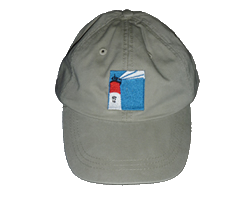
Get your Eastham Chamber gear here! We have baseball hats, beach towels, Eastham throws and Eastham bumper stickers.



Signup for our Enewsletter. Full of business news, member news, local news, local events and so much more.
contact us
Eastham Chamber of Commerce
Info Booth: 508-255-3444
infobooth@easthamchamber.com
1700 Rt.6, PO Box 1329, Eastham, MA 02642
(at the corner of Governor Prence Rd.)
Chamber Office: 508-240-7211
info@easthamchamber.com
4730 Rt.6, PO Box 1329, Eastham, MA 02642
Contact Us Online Form